

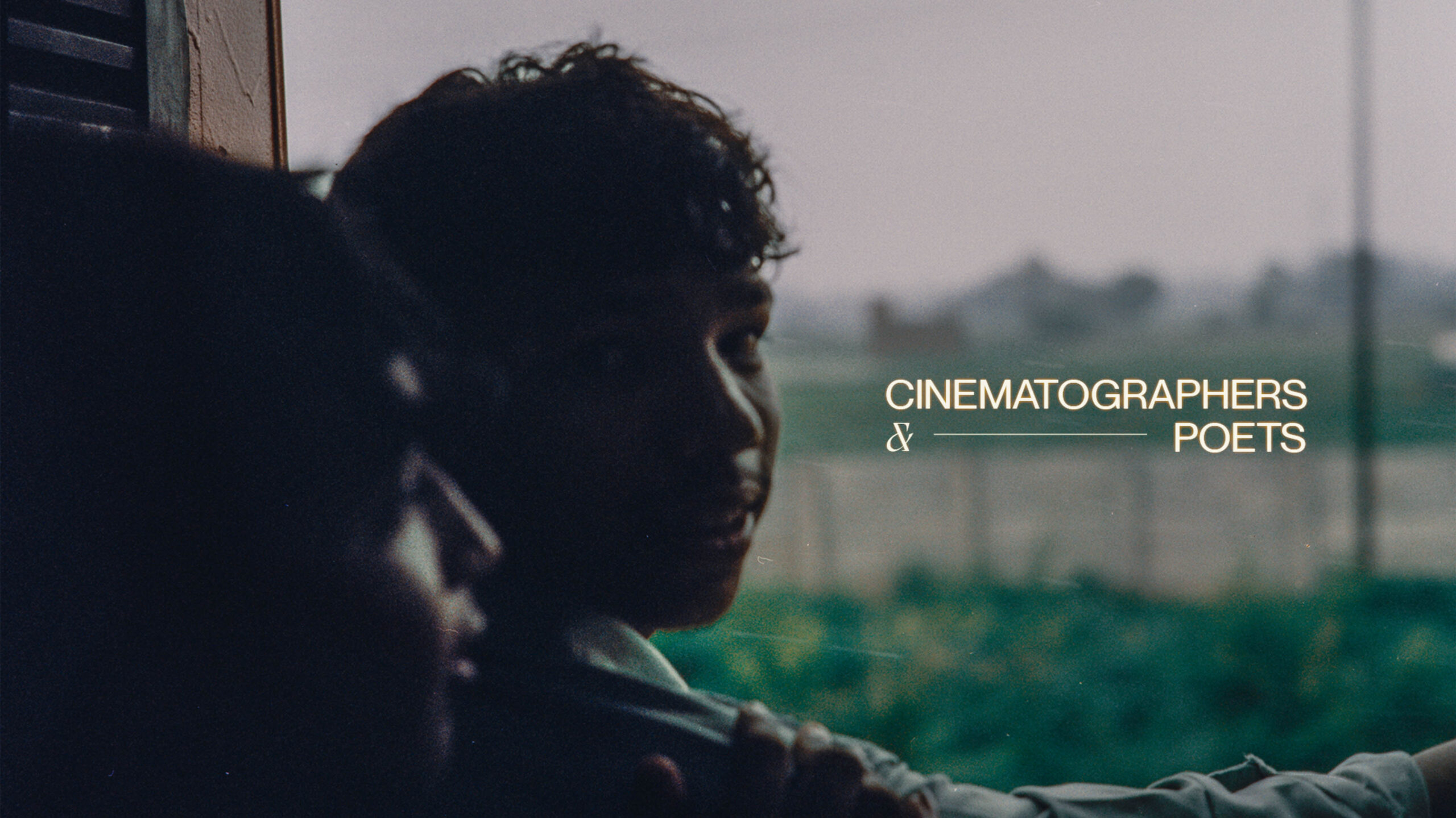
parallels between cinematographers and poets
If you’ve ever moved a light two inches “just because it felt right,” congratulations; you’ve written a couplet. If you’ve held on to a reaction shot a beat longer than comfort, you’ve used enjambment. Poetry and cinematography share the same muscle: attention trained by restraint.
Think of the next few sections as a small map, from rhythm to framing to ethics, of where poetry and cinematography secretly hold hands.
rhythm on set
Poetry has meter; cinema has blocking. In Indian or Carnatic traditions, rhythm is beyond beat, it’s behaviour. A kathak tihai closes a phrase in three strokes; a scene resolves with a three‑beat choreography: enter, hold, transition. In collaboration with the Director, the cinematographer treats footsteps as syllables.
A dolly move is a long vowel; a static shot is a full stop. If the meter is sloppy, the poem stumbles. If the blocking is careless, the scene reads as noise. Craft begins where movement learns to mean.
room to breathe
Poets swear by the line break; a precise hole in the sentence that lets meaning seep. Cinematographers trust negative space; the quiet around a subject that lets feelings gather. A blank margin in a nazm is the cousin of air around a lonely chair in a wide frame. In both forms, restraint isn’t absence; it’s pressure. (Most good directing is knowing what not to shoot. Most good writing is knowing what not to say.)
lens choice = mood
A poet chooses diction: register, idiom, grain of voice. A DP chooses glass. A humble 35mm is colloquial Urdu: generous, conversational, roomy. An 85mm cues intimacy like a ghazal couplet; a 16mm wide shouts like a street slogan. Filters are accent; grain is dialect. Change lenses mid‑scene and you’ve changed the sentence’s courtesy – its proximity, its respect, its risk.
patterns that connect the shots
Cinematographers rhyme, too: via match cuts, leitmotifs, recurring colours. When the Editor and a Cinematographer create a symphony, an L‑cut becomes enjambment: sound spills into the next line. A hard cut becomes a period. A J‑cut is the line you hear before you see it: the very promise of a thought arriving.
let the light say it
In poetry you name by not naming; in cinematography you show by not illuminating. “The moon is a cracked bowl” works because accuracy and truth aren’t twins. A corridor lit half into shadow may be less “realistic” than practicals everywhere, but it points to shame, secrecy, or grief.
shifting attention with focus
Sonnets pivot on a volta; the quiet turn where the poem decides what it’s actually about. Our equivalent is the focus pull that reassigns meaning without moving the furniture. Background to foreground, witness to main character, metaphor to fact.
feeding the camera feelings
Indian poetics speaks of rasa: not ‘emotion’ as a label, but ‘flavour’ as an experience. Poets cook rasa by tempering words; cinematographers cook it by tempering time, distance, and luminance. If a scene demands compassion, we reduce spectacle; if it leans toward wonder, we increase breath. The camera eats what you feed it: speed, anxiety, ego. Feed it patience and you’ll taste it later – just like poetry.
field notes
What Filmmakers Can Borrow From Poets (Today, Someday)
- Write the beat sheet as a stanza map. Mark where the line breaks live: those are your cuts, holds, and silences.
- Pick a primary “diction of glass.” Commit to a lens family that mirrors your story’s voice. Vary intentionally, not anxiously.
- Score for negative space. Leave at least two shots per sequence where nothing happens except attention recalibrating.
- Let location speak first. Before lighting a face, light the place’s grammar: its bounce, its bias, its colour temperature of truth.
- Hide a volta. One planned focus pull, colour shift, or blocking turn that quietly reveals the real subject.
- Revise by subtraction. In the grade or edit, ask: what can I remove so the audience can do one dignified act of inference?
- Pay what the silence costs. If a pause needs another take, buy it – with time, money, or sleep. The audience can read fatigue.
- Keep one motif honest. A recurring angle, hue, or sound that returns with deeper stakes. Rhyme, don’t repeat
A good poem doesn’t beg to be understood; it trusts you. A good image doesn’t perform cleverness; it holds you. Poets and cinematographers share a simple oath in complicated times: to notice carefully, to withhold kindly, to reveal responsibly.
We may speak different crafts, but we ask the same question before we begin: What is the smallest true thing I can place in front of you, so that the largest truth can arrive on its own?
share